YouTube Premium vs Free: Is It Worth Paying in 2026 (And How to Get It for Way Less)
Last month I got so annoyed by a mid-roll ad interrupting a recipe video for the fourth time that I finally caved and subscribed to YouTube Premium. Then I felt slightly ripped off when I saw what my American friend pays versus what I could've paid through a regional pricing trick I hadn't tried yet. So let's actually break this down — is YouTube Premium worth the money, and if it is, how do you avoid overpaying?
What You Actually Get With YouTube Premium
Free YouTube isn't bad. It's just... interrupted. Constantly. Premium removes that friction entirely and bundles in a few extras that honestly matter more than I expected:
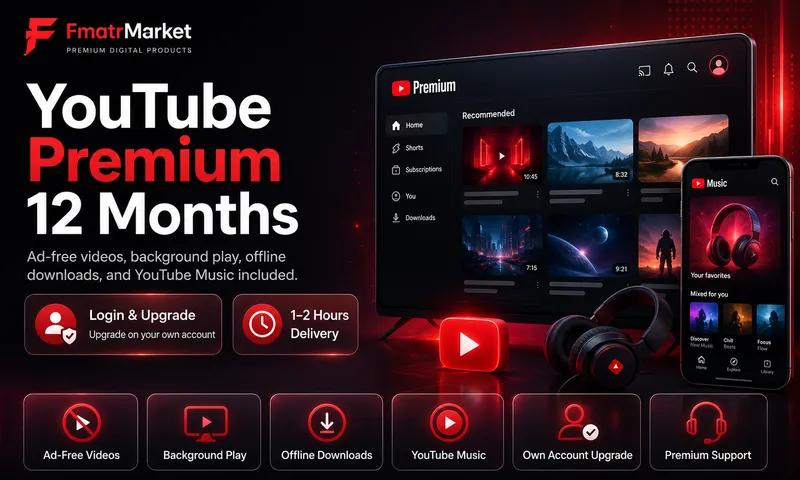
- Zero ads — no pre-roll, mid-roll, or banner ads, anywhere on the platform
- Background play — close the app or lock your phone, audio keeps going
- Downloads for offline viewing (huge for flights or spotty commutes)
- YouTube Music Premium included at no extra cost
- Access to YouTube Originals (limited catalog these days, not a huge selling point)
The background play feature alone sold me. I use YouTube as a podcast app half the time, and free users literally cannot do that anymore without workarounds.
The Real Price Difference: US vs EU vs Turkey
Here's where it gets interesting — and where most people are leaving money on the table. YouTube prices Premium differently depending on your billing region, and the gap is not small.
| Region | Monthly Price (USD equivalent) | Annual Cost (approx) | Notes |
|---|---|---|---|
| United States | $13.99 | ~$168/year | Standard individual plan |
| Germany/France (EU) | €12.99 (~$14) | ~$168/year | Similar to US pricing |
| Turkey (local pricing) | ~$3.50–4.00 equivalent | ~$42–48/year | Same features, huge discount |
| India | ~$1.50 equivalent | ~$18/year | Cheapest globally, but region-locked |
Yeah, that Turkey column isn't a typo. YouTube (like Spotify and Netflix) adjusts pricing based on local purchasing power, and Turkey's lira-based pricing translates to a fraction of what US or EU users pay in dollar terms. This isn't some shady loophole either — it's a legitimate regional pricing structure that Google itself sets.
Free vs Premium: Feature-by-Feature Breakdown
| Feature | Free | Premium |
|---|---|---|
| Ads | Yes, frequent | None |
| Background play | No (app must stay open) | Yes |
| Offline downloads | No | Yes |
| YouTube Music Premium | Separate subscription | Included |
| Picture-in-picture | Limited/inconsistent | Full support |
| Price | $0 | $13.99/mo (US) or as low as ~$3.50/mo via regional pricing |
So... Is Free Actually Fine for Most People?
Honestly? If you only watch YouTube occasionally — a few videos a week, mostly on desktop where ad blockers work fine — free is genuinely okay. I'm not going to pretend everyone needs Premium.
But if any of these describe you, the math tips heavily toward paying:
- You listen to YouTube like a podcast/music app throughout the day
- You watch on mobile and hate the app-must-stay-open restriction
- You already pay for Spotify or Apple Music and could consolidate with YouTube Music Premium instead
- You travel or commute somewhere without reliable data (downloads are a lifesaver)
For reference, r/youtube has recurring threads where people debate exactly this — most long-time Premium users say the background play and no-ads combo alone justifies it once you're paying under $5/month. At $14/month, opinions get a lot more mixed.
How to Actually Get the Cheaper Price
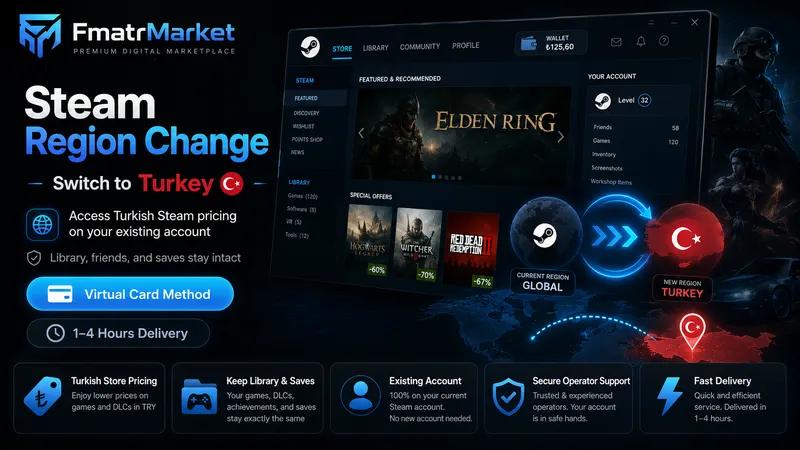
This is the part people always ask me about. You don't need a Turkish residency or ID to access Turkey-region pricing — you need a Turkish payment method or a properly set-up account with the region changed, which is exactly the kind of thing marketplaces specialize in.
I'd been buying my Spotify subscription this way for over a year before I even tried it for YouTube, and honestly the process was smoother than expected. Sites like FmatrMarket handle this directly — you get an activated YouTube Premium account or upgrade at Turkish regional pricing without dealing with VPNs, currency conversion headaches, or region-locked payment methods yourself. It's the same reason people search for cheap Spotify Premium deals — the pricing model works almost identically across these platforms.
If you're curious how this compares to other services doing the same thing, I broke down the mechanics in more detail in my Discord Nitro regional pricing guide — same underlying logic, just a different app.
What About YouTube Premium Family or Student Plans?
Quick note here because people forget these exist. The Family plan (up to 5 members) runs about $22.99/month in the US — split five ways that's actually competitive, around $4.60 per person. Students get a discount too, roughly $7.99/month with valid verification. Neither comes close to Turkish regional pricing on a per-person basis, but they're worth knowing if regional pricing feels like too much hassle.
My Honest Take After Three Months
I went from mildly annoyed free-tier user to someone who now can't imagine going back. The ad-free experience alone changed how much I watch YouTube (in a good way — more focused, less doom-scrolling through recommended videos while ads buffer). Background play turned my commute into podcast time again.
But would I pay $168/year for it? Probably not. At the regional price point — under $50/year — it's a no-brainer. That price gap is the entire reason services like YouTube Premium 12-month plans through regional marketplaces have gotten so popular lately, especially through 2025 and into this year.
If you're on the fence, my advice: try free for another month, pay attention to how often you'd actually use background play or downloads, then decide. If you're already nodding along thinking