Spotify Activation Code: Complete Guide to Gift Cards & Regional Pricing Deals
Last week, my sister asked me to help her find a birthday gift for her teenage nephew. "Something digital," she said, "but not boring." That's when I remembered how obsessed he was with his Spotify playlists — and how frustrated he got with ads interrupting his music sessions.
Enter Spotify activation codes: the perfect digital gift that actually gets used (unlike those iTunes cards collecting dust in drawers). But here's what most people don't know — there are smart ways to get these codes that can save you serious money, especially if you know about regional pricing strategies.
What Are Spotify Activation Codes?
A Spotify activation code is essentially a digital voucher that gives someone access to Spotify Premium for a specific duration. Think of it as a gift card, but specifically for Spotify subscriptions. These codes come in various formats:
- Physical gift cards — sold at retail stores with scratch-off codes
- Digital codes — delivered via email or messaging platforms
- Promotional codes — offered through partnerships or special deals
The beauty of activation codes is their flexibility. You can gift them to anyone, anywhere in the world, and they work across all Spotify-supported devices. Plus, they're perfect for that last-minute gift panic we've all experienced.
Types of Spotify Gift Options Available
When shopping for Spotify gifts, you'll encounter several options. Here's a breakdown of what's currently available:
| Gift Type | Duration | Typical Price (US) | Best For |
|---|---|---|---|
| Spotify Premium Individual | 1 Month | $10.99 | Testing the waters |
| Spotify Premium Individual | 3 Months | $32.97 | Casual listeners |
| Spotify Premium Individual | 12 Months | $131.88 | Serious music lovers |
| Spotify Premium Family | 1 Month | $16.99 | Households with multiple users |
Honestly, the 12-month option offers the best value per month, but I get it — dropping $130+ upfront isn't always feasible. That's where regional pricing strategies come into play.
How Regional Pricing Can Save You Money
Here's something Spotify doesn't advertise: their pricing varies significantly by region. A Premium subscription that costs $10.99/month in the US might be equivalent to just $3-4 in Turkey or other emerging markets. This isn't a loophole — it's Spotify's official pricing strategy to make their service accessible globally.
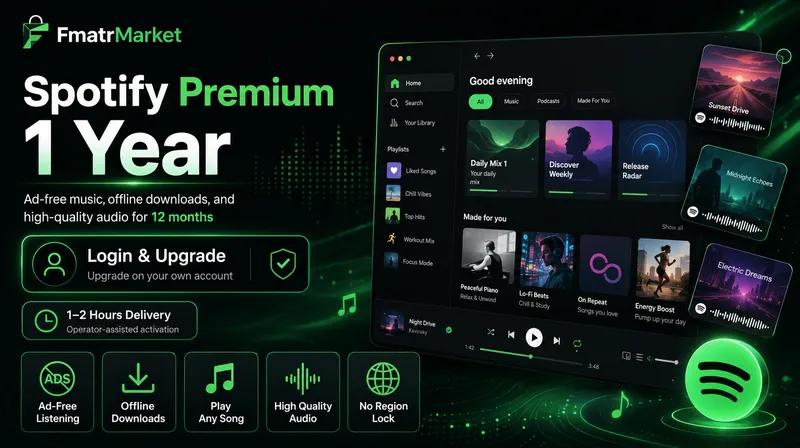
The catch? You typically need a payment method from that region. But here's where platforms like FmatrMarket come in handy — they specialize in providing legitimate regional subscriptions at local pricing.
Why Regional Pricing Exists
According to Spotify's official newsroom, the company adjusts pricing based on local purchasing power and economic conditions. This means users in countries with lower average incomes get more affordable access to the same premium features.
For gift-givers, this creates an opportunity. You can purchase a Turkish or other regional Spotify Premium code for significantly less than US pricing, and it works exactly the same way.
Where to Buy Spotify Activation Codes
You've got several options when hunting for Spotify activation codes, each with its pros and cons:
Official Retail Stores
Target, Best Buy, and similar retailers sell physical Spotify gift cards. They're legitimate and hassle-free, but you'll pay full retail price. No discounts, no regional advantages.
Digital Marketplaces
This is where things get interesting. Platforms like FmatrMarket specialize in digital goods and often offer regional pricing advantages. I've used them several times — their delivery is quick, and their customer service actually responds when you need help.
Direct from Spotify
Spotify sells gift subscriptions directly through their website, but again, you're paying full regional pricing based on your location.
Step-by-Step: How to Redeem Your Activation Code
Got your hands on a Spotify activation code? Here's how to redeem it (it's easier than you think):
- Visit spotify.com/redeem — this is Spotify's official redemption page
- Log into your account — or create one if you're new to Spotify
- Enter your code — carefully type in the activation code (they're case-sensitive)
- Confirm and activate — review the subscription details before confirming
Pro tip: If you're already a Premium subscriber, the additional time gets added to your existing subscription. No interruption in service, which is great for gift recipients who might already be paying customers.
Regional Activation: What You Need to Know
When dealing with regional pricing codes, there are a few important considerations:
Account Region Matching
Some regional codes require the Spotify account to be registered in that specific region. However, many users report success using VPN services during the initial activation process.
Long-term Access
Once activated, regional subscriptions typically work globally. I've personally used Turkey-region codes while traveling across Europe and the US without any issues.
Payment Method Requirements
Direct purchases from certain regions might require local payment methods, but purchasing through established marketplaces eliminates this hurdle.
Gifting Strategies: Making the Most Impact
After years of digital gifting (and a few disasters), I've learned some tricks that make Spotify gifts way more meaningful:
Timing Matters
Don't just send the code randomly. Wait for a moment when they're complaining about ads, or when they mention a new artist they want to explore. Context makes the gift feel more thoughtful.
Pair with Playlists
Create a custom playlist for them before gifting the Premium access. It shows you put thought into their musical taste and gives them something to immediately enjoy with their new ad-free experience.
Consider Duration Carefully
One month feels like a trial. Three months feels like a proper gift. Twelve months feels like you really care about their happiness. Choose based on your relationship and budget.
Comparing Gift Card vs. Direct Subscription Gifting
| Method | Flexibility | Price Control | Instant Gratification | Regional Pricing |
|---|---|---|---|---|
| Physical Gift Cards | High | Limited | Medium | No |
| Digital Activation Codes | High | High | High | Yes |
| Direct Premium Gifting | Medium | Limited | High | Limited |
Digital activation codes win on almost every metric, especially when you factor in regional pricing opportunities.
Common Pitfalls and How to Avoid Them
Let me save you from some mistakes I've made (and seen others make):
Region Lock Confusion
Not all codes work in all regions. Before purchasing, verify the code's intended region matches your recipient's location — or ensure they're comfortable with the activation process for regional codes.
Existing Subscription Conflicts
If someone already has Premium, gifting them another subscription might create billing conflicts. Check with them first, or be prepared to help them manage the transition.
Code Expiration
Some activation codes have expiration dates. Don't sit on them for months — gift them within a reasonable timeframe.
Alternative Platforms and Comparison
While we're focusing on Spotify, it's worth considering other music streaming gift options. Apple Music, YouTube Music, and Amazon Music all offer gift subscriptions. However, Spotify's market dominance (especially among younger users) makes their activation codes the safest bet for gifting.
That said, if you're exploring other digital subscription gifts, check out related options like other streaming services and digital subscriptions that might better match your recipient's preferences.
The Future of Digital Music Gifting
As we move through 2026, digital gifting is becoming increasingly sophisticated. Spotify continues expanding their gift card availability and partnership programs. Regional pricing strategies are becoming more refined, and platforms like FmatrMarket are making these international deals more accessible to everyday consumers.
The trend toward subscription-based everything means that gifting digital access — rather than physical products — is becoming the norm, especially for younger generations who value experiences over possessions.